 available
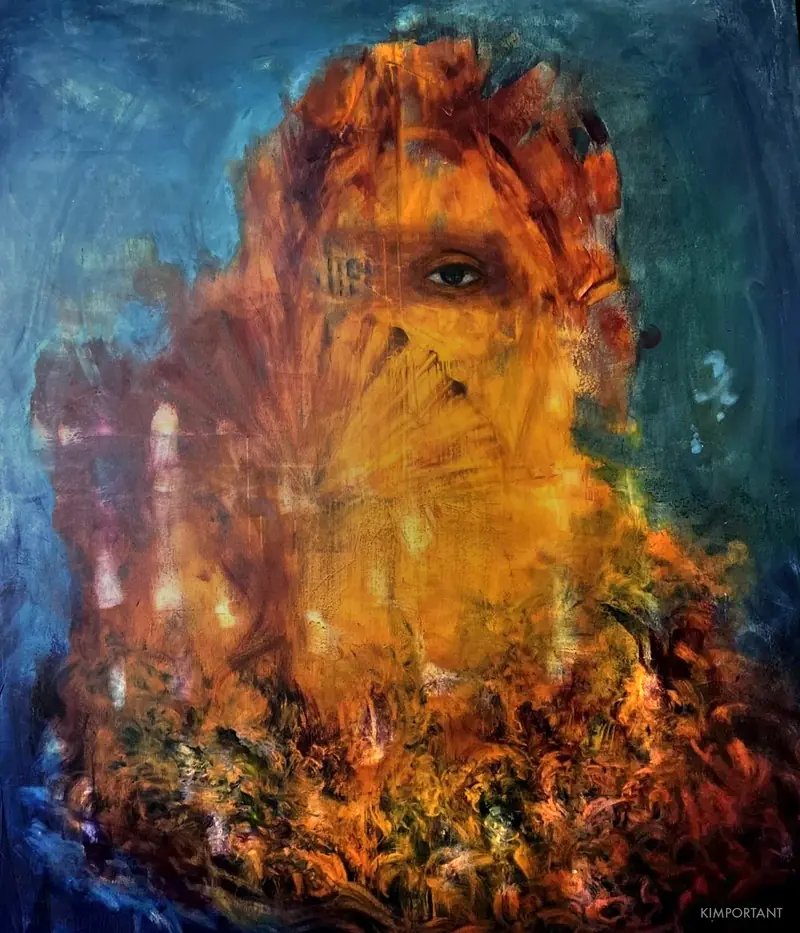
Forsaken Bird II
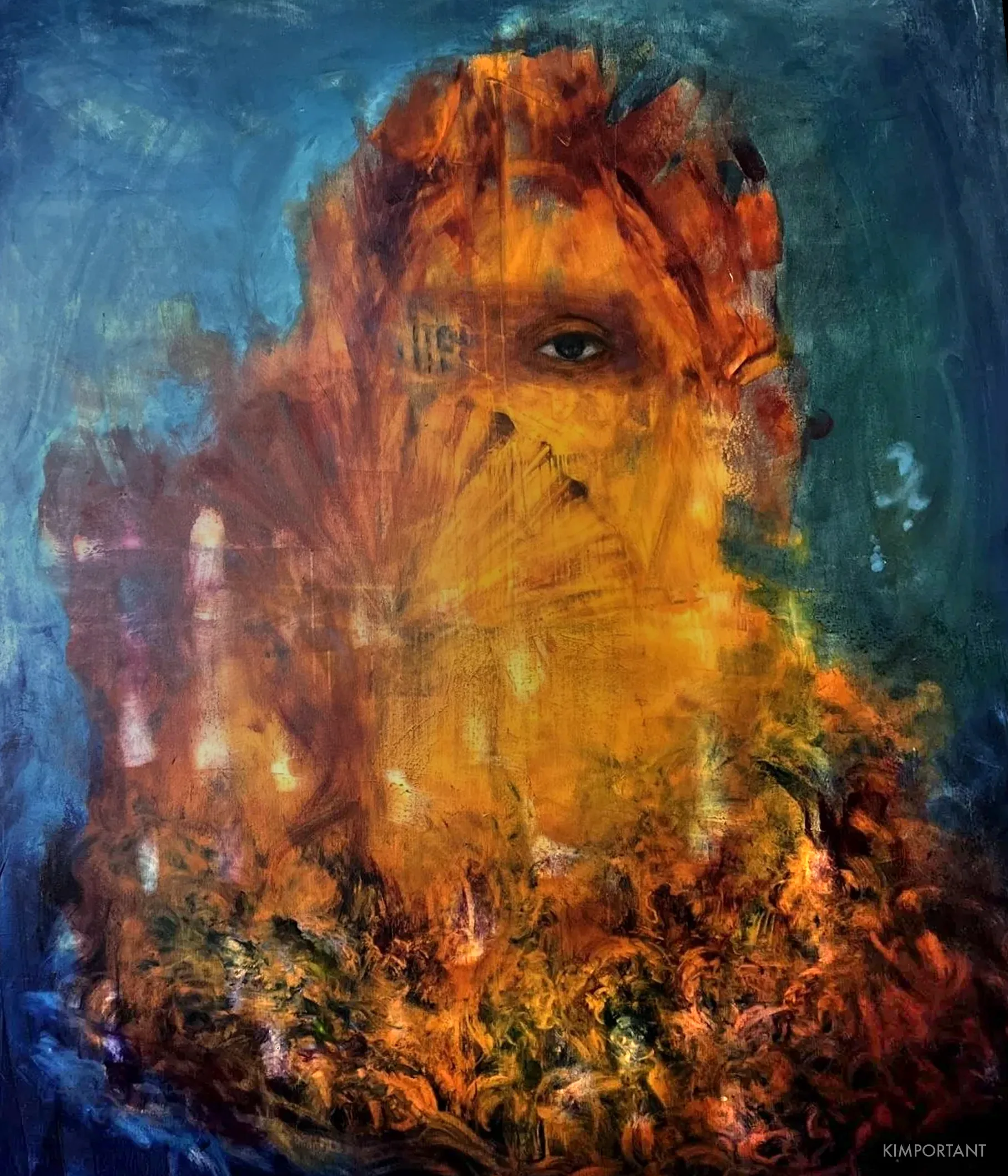
Bird-like contours condense out of the paint texture, then withdraw again.
Fine art · since 1982 · no editions, no prints
Large formats built from layer upon layer. Every painting is an archive of its own making — destroyed states, overpainted ideas, still visible through the surface. Nothing here was made to match your sofa.
See the new work →The hardware store has an art aisle. Three shelves of beige, sized to fit above a couch. This is the opposite of that shelf.
Kim doesn't argue with it. She out-works it. Loud in scale, subtle in everything else — the provocation is in the quality, not in the press release.
No gallery in between. No edition of 250. Every work documented, singular, and finished only when it stops hiding.
New · 2026 · large-format photography on acrylic
Over 1.80 m in diameter. Face-mounted on acrylic at a resolution that did not exist for this format until now. Each print is a 1:1 rendition — the complete image, not a compressed, downscaled, shrink-wrapped version of it.
Documented originals · eight of them
available
Bird-like contours condense out of the paint texture, then withdraw again.
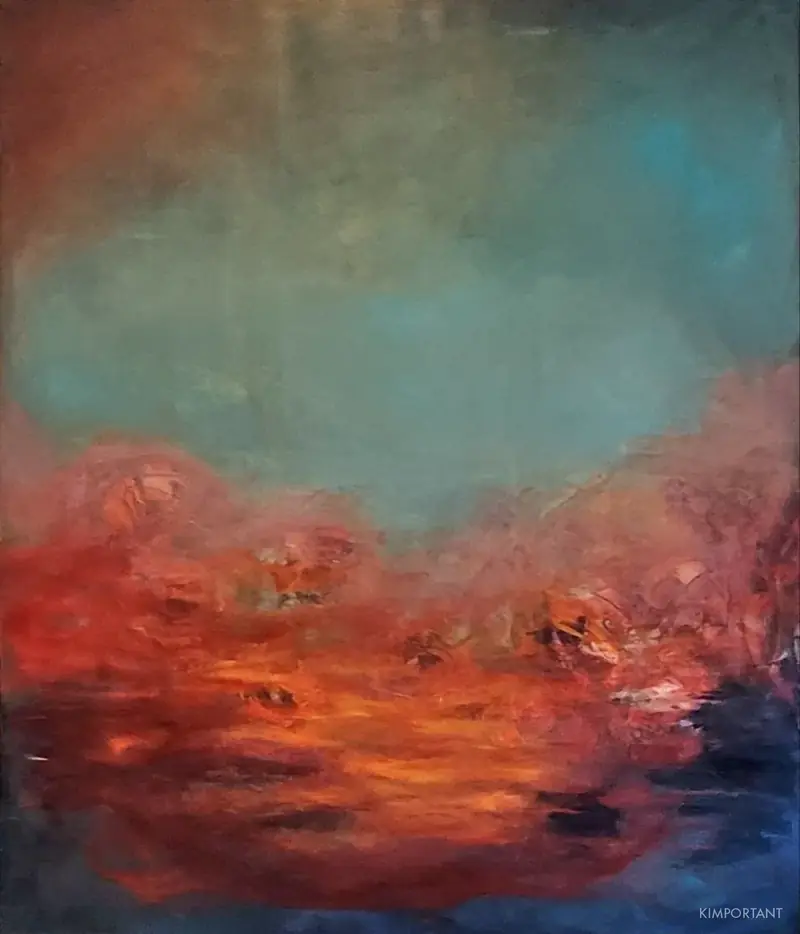 private collection
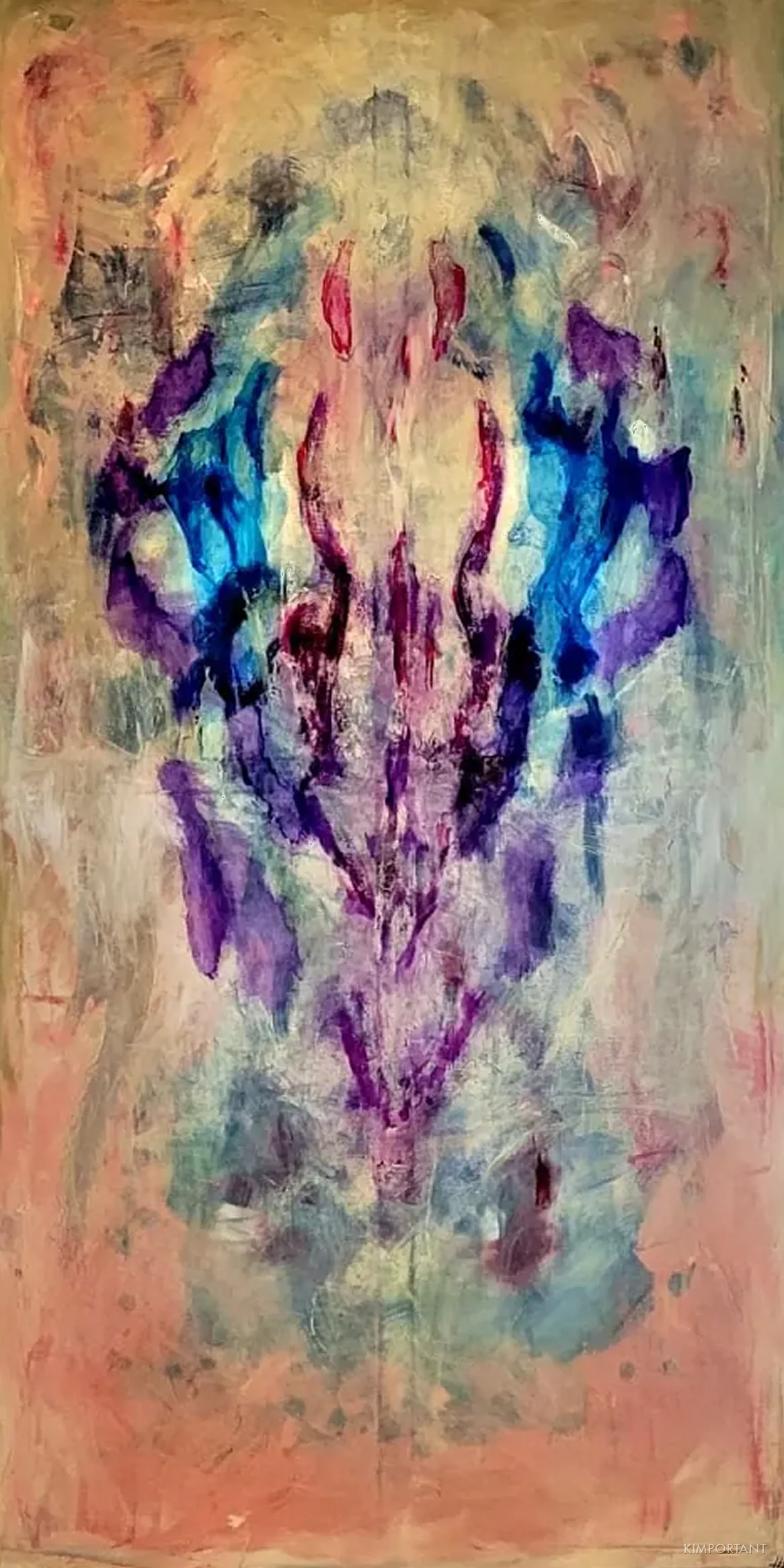
Dense, opaque layering. The work refuses to be named.
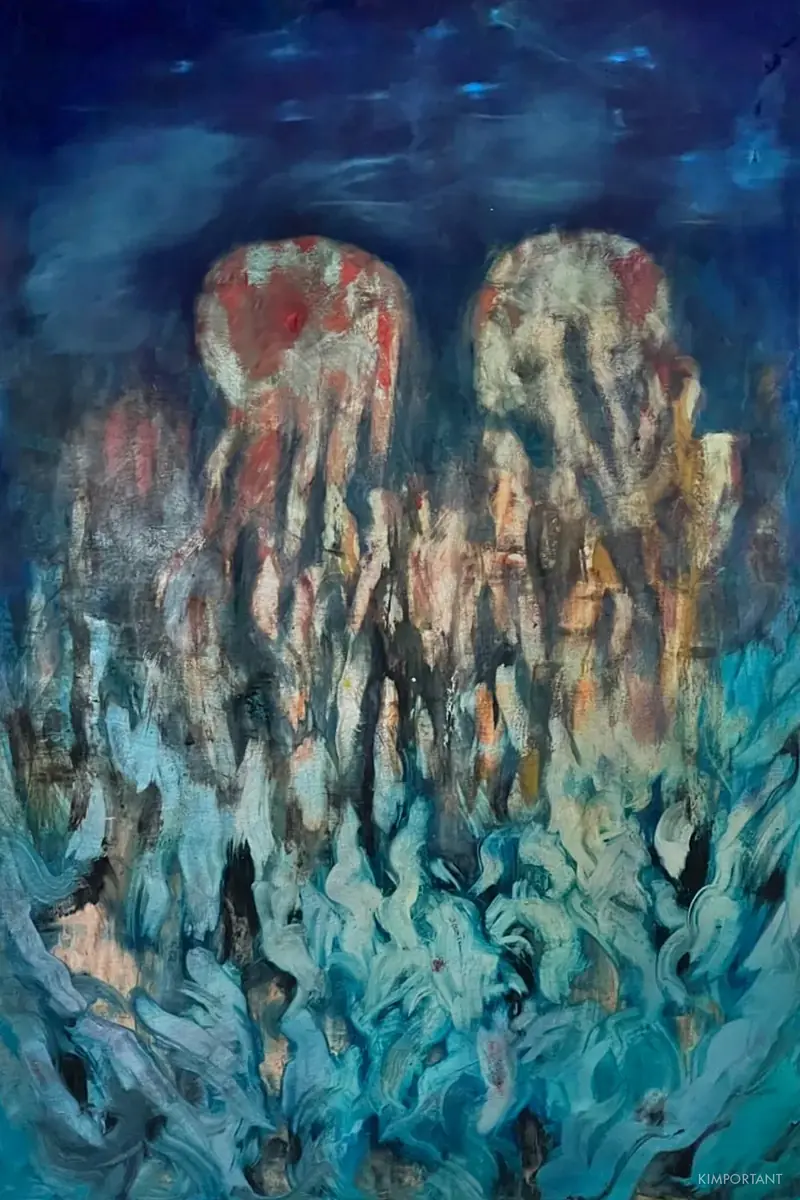 available
Devotion as a method, not a gesture.
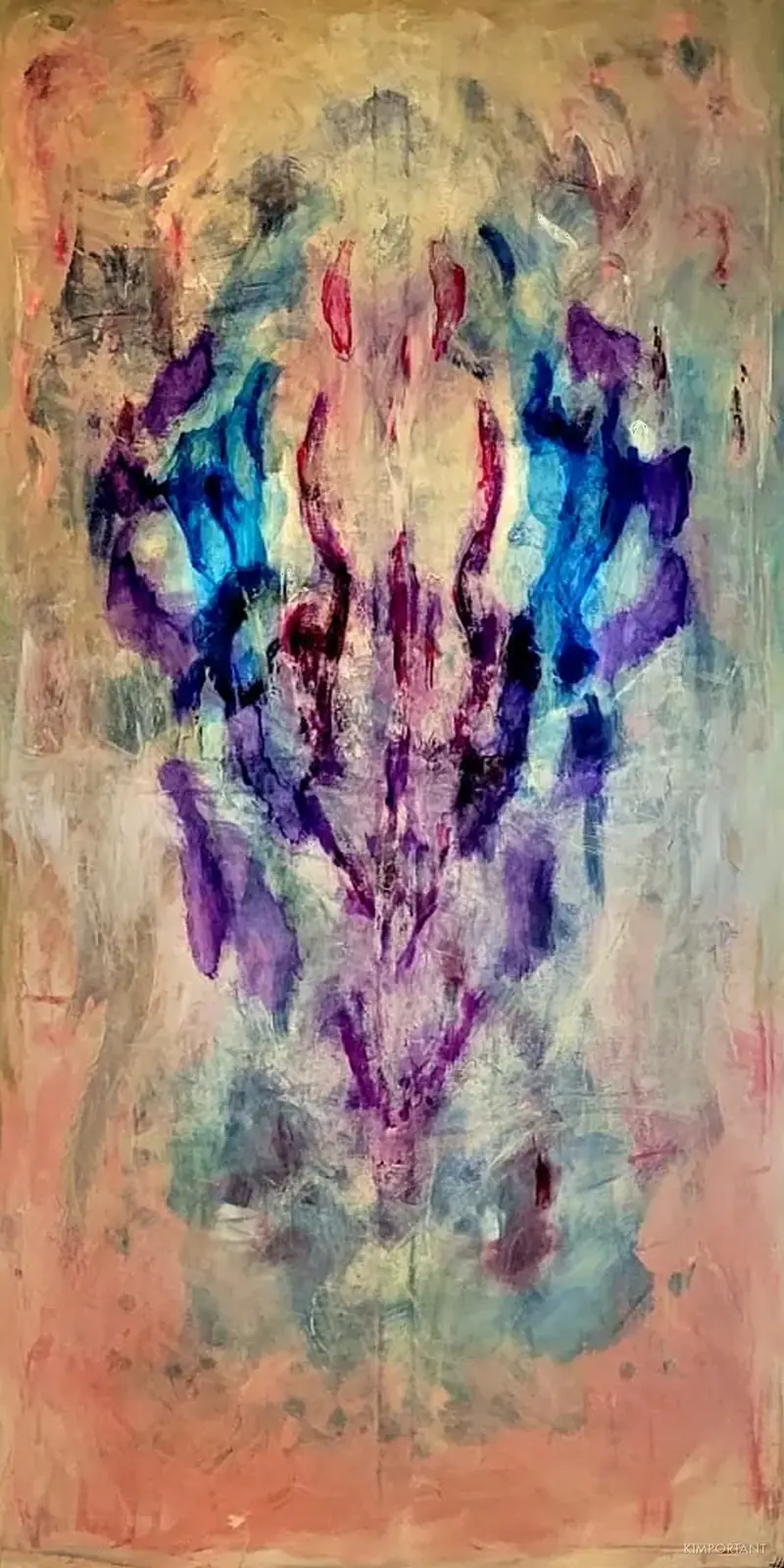 available
The first of the series. The anchor.
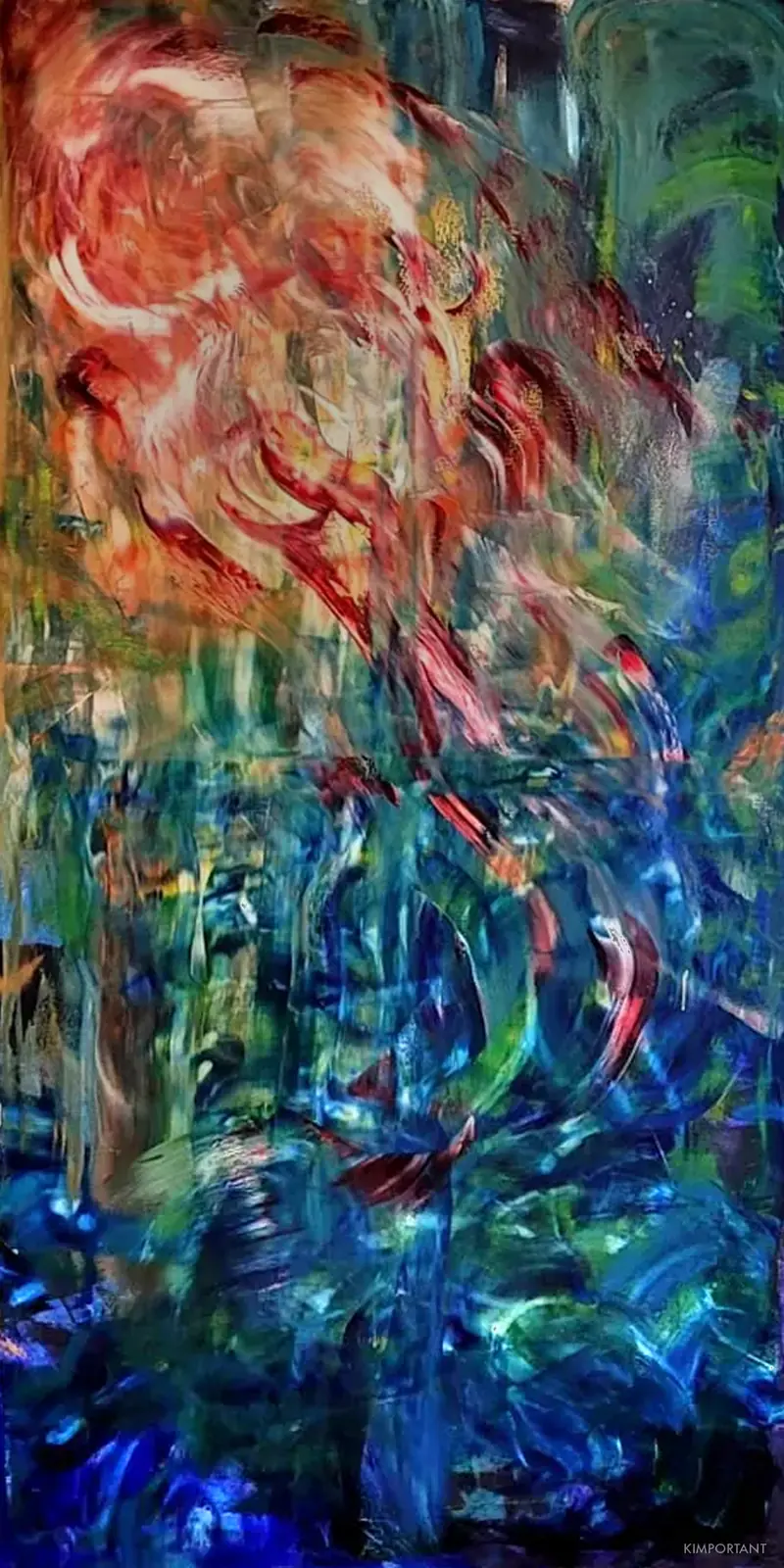 available
The anchor has come loose. Movement in the depth.
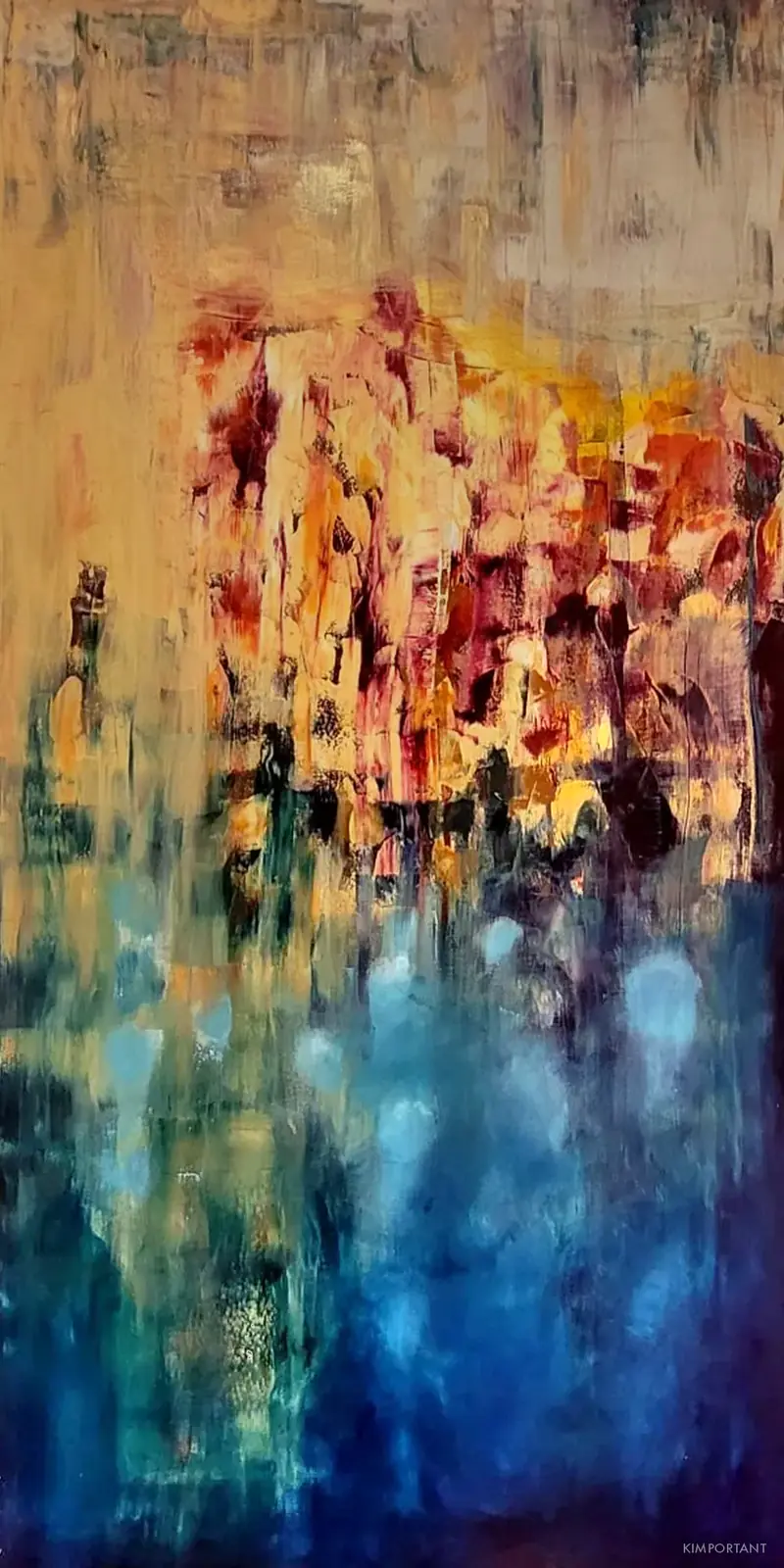 available
Condensing and dissolving at once — the hidden becomes the composition.
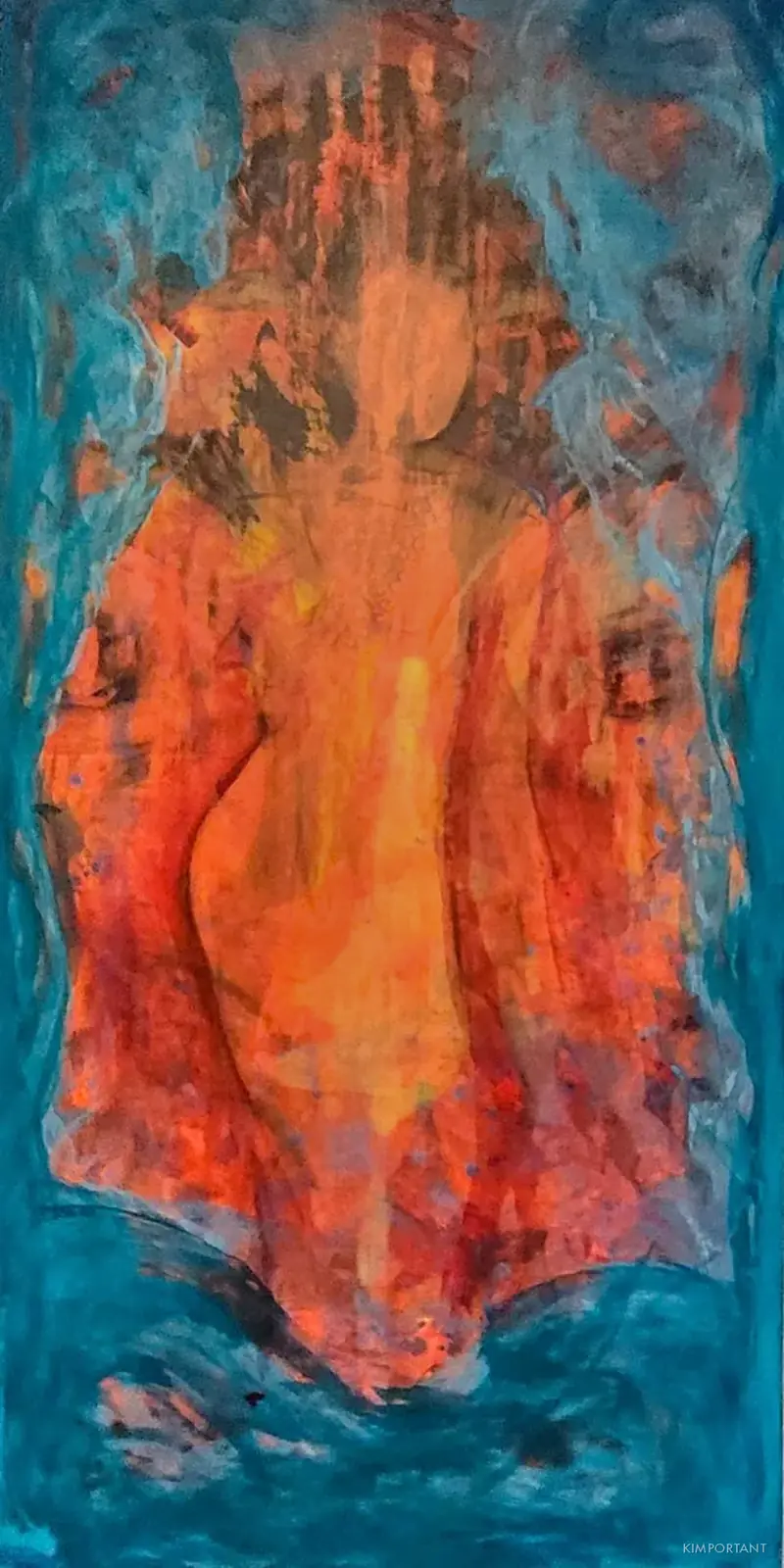 available
Ink instead of oil. Nothing here can be taken back.
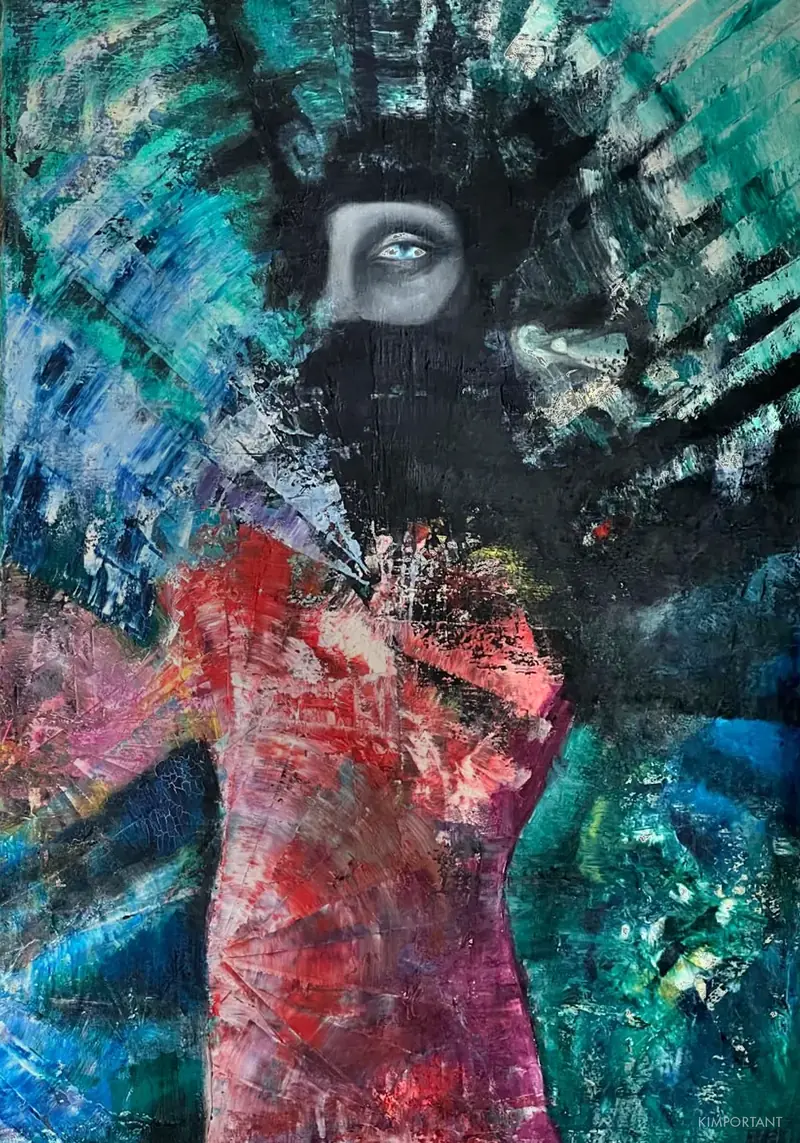 early work
Concentrated layering on a smaller format, the bird still plainly visible.
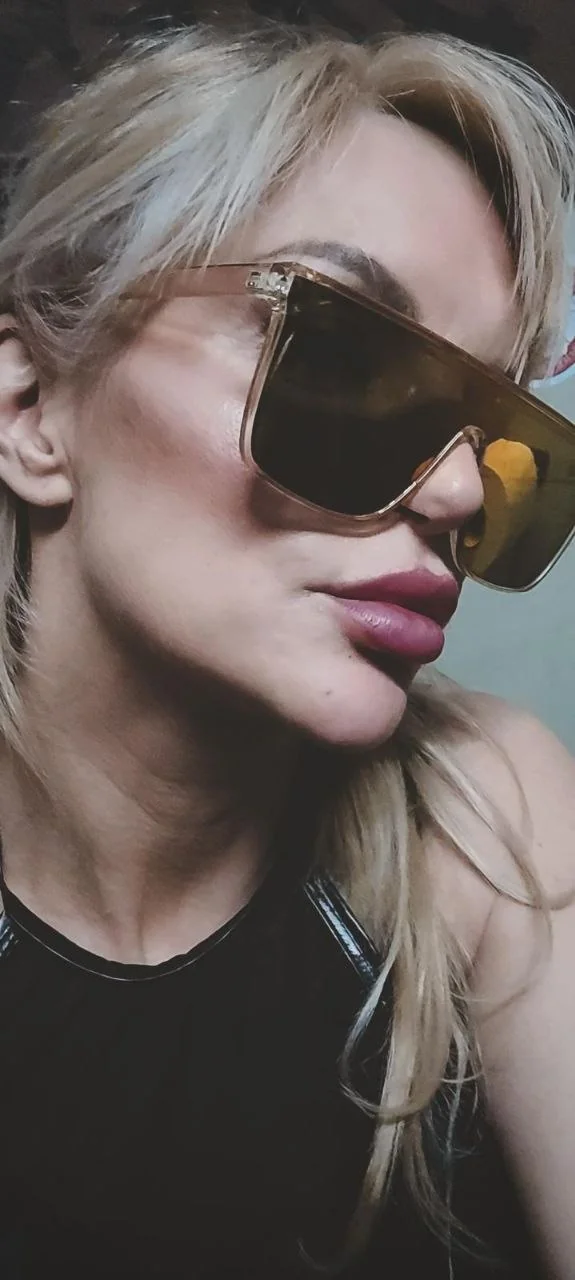
The artist
It was a hiding place from domestic violence — and the first place the outside world went quiet. Not therapy. A method. The magic of disappearing.
At eighteen: a hard break, a sudden move out, most of the early portraits gone. In her thirties, galleries wanted a linear thread. She refused. Work was destroyed. The freedom turned out to be in the refusal.
Kim Kong — Salzburg Summer Academy, 2023. Masked as a gorilla, collaging photographs of her own destroyed paintings in the performance Things I've Damaged, then tearing the result apart. Destruction became a working material. The alter ego doesn't hide; it takes the room.
No biography required to look at the work. The point is to move intense emotional states into autonomous visual presence — and leave the footnotes at the door.
Studio · method
What you see at the end is the record of what was hidden. The process isn't a stage before the work. The process is the work.
Every canvas starts as a claim. Never the final image — just the ground the next layers can resist.
Image ideas get deliberately overwritten. What sits below is not random: states that were not allowed to be what they wanted. Not erased — compressed.
The top layer is half-permeable. Look longer and the contours, cracks and traces of earlier states come through.
Not a picture but a stack of pictures, condensed onto one surface. Impossible without time. Impossible to reproduce.
“Resilience isn't the absence of the fight. It's the force that builds when the fight gets compressed under the surface.”
Questions
Contact
Work enquiries, studio visits, collector conversations. Straight to the artist — no gallery in the middle.